
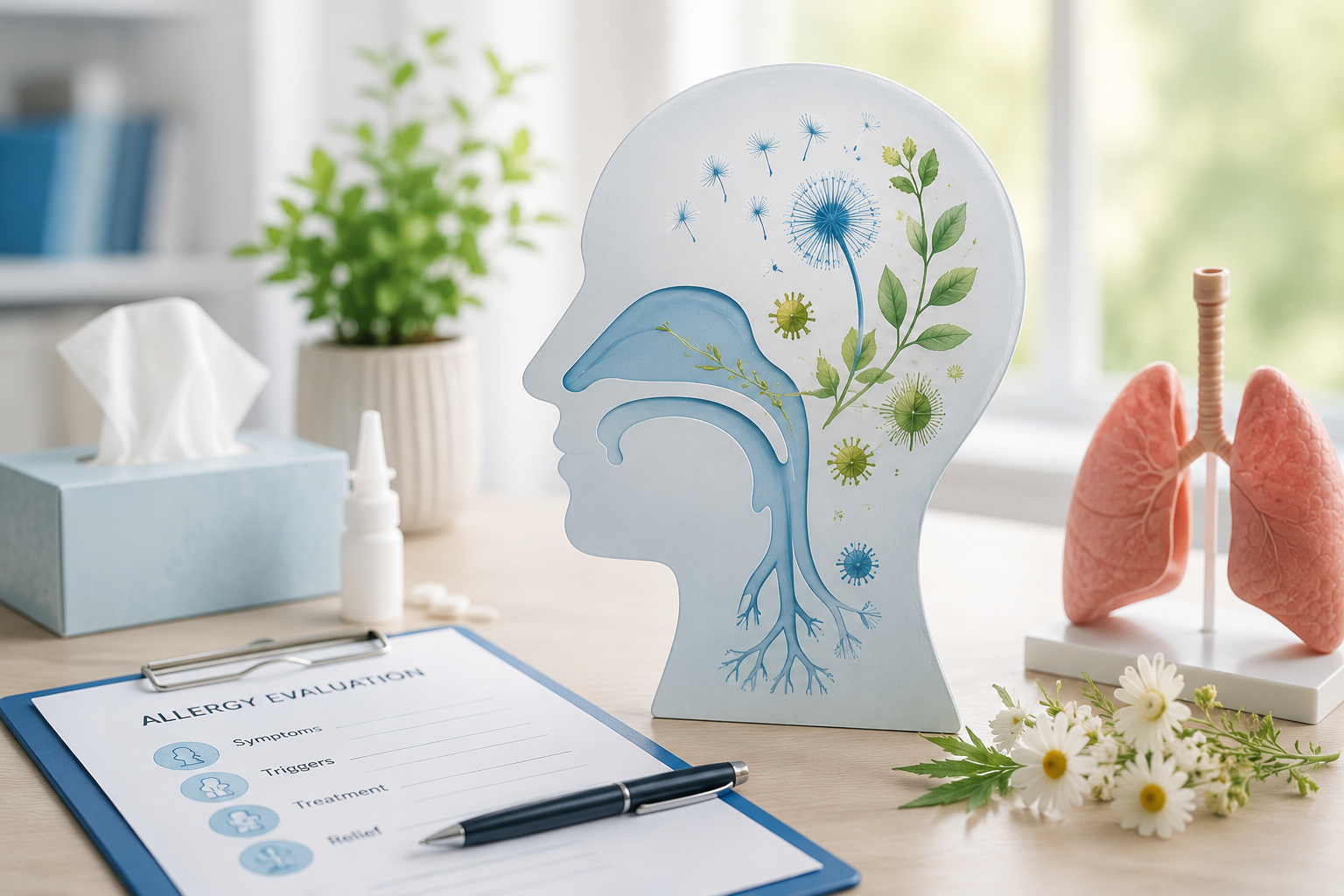
As summer comes to an end, many people begin experiencing sneezing, nasal congestion, itchy eyes, and other allergy symptoms. One of the biggest reasons is ragweed pollen—a common fall allergen capable of traveling for miles through the air. Understanding why ragweed season causes such intense allergy symptoms can help you prepare and reduce its impact on your daily life.
Quick Guide
- Ragweed is one of the leading causes of fall allergies.
- Season usually begins in late August and continues into November.
- Warm, windy weather can increase pollen levels.
- People with asthma and chronic sinus problems are especially vulnerable.
- Early prevention and treatment can reduce symptom severity.
What Is Ragweed?
Ragweed is a flowering plant that produces enormous amounts of lightweight pollen. A single plant can release up to one billion pollen grains during a season, allowing pollen to spread over long distances by wind.
When sensitive individuals inhale ragweed pollen, their immune system mistakenly treats it as a harmful substance and releases histamine, leading to allergy symptoms.
When Does Ragweed Season Occur?
Ragweed season typically begins in late August and continues through November, although timing varies depending on climate and location.
Typical Timeline
- Late August: Pollen season begins.
- September–Early October: Peak pollen levels.
- Late October–November: Gradual decline after the first frosts.
Why Fall Allergies Keep Getting Worse
Many people notice that fall allergy symptoms become more severe each year. Several environmental factors contribute to this trend.
- Longer growing seasons.
- Warmer temperatures extending pollen production.
- Higher carbon dioxide levels increasing pollen output.
- More potent pollen due to environmental changes.
Weather Conditions That Increase Ragweed Pollen
Weather has a major influence on daily pollen levels. Certain conditions allow ragweed pollen to remain airborne longer and travel farther.
- Dry, windy days.
- Warm afternoons.
- Low humidity.
- Santa Ana winds in Southern California.
- Thunderstorms that break pollen into smaller particles.
Common Ragweed Allergy Symptoms
Typical Symptoms
- Sneezing.
- Runny or blocked nose.
- Itchy or watery eyes.
- Postnasal drip.
- Sinus pressure.
- Coughing or wheezing.
- Fatigue.
How Ragweed Can Affect Asthma & Sinus Health
Ragweed pollen can do more than trigger sneezing. For many people, it can worsen asthma symptoms, increase airway inflammation, and contribute to chronic sinus congestion or flare-ups of nasal polyps.
Who Is Most at Risk?
Although anyone can develop ragweed allergies, certain groups are more likely to experience severe symptoms during the fall allergy season.
Higher-Risk Individuals
- People with asthma.
- Individuals with chronic sinusitis.
- Patients with nasal polyps.
- People with eczema or other allergic conditions.
- Those with a family history of allergies.
- Children and young adults.
How Ragweed Allergies Are Diagnosed
Identifying ragweed as the source of your symptoms is important because many fall allergies can appear similar. An allergy specialist can determine your triggers through a combination of medical history and allergy testing.
- Skin prick testing.
- Specific IgE blood testing.
- Review of seasonal symptom patterns.
- Evaluation of asthma or sinus symptoms if present.
Protecting Yourself During Peak Ragweed Season
While you can’t eliminate ragweed pollen entirely, reducing your exposure can make a significant difference in controlling symptoms.
Indoor Prevention
- Keep windows and doors closed during high pollen days.
- Use a HEPA air purifier.
- Replace HVAC filters regularly.
- Shower and wash your hair before bed.
- Wash bedding frequently in hot water.
- Vacuum with a HEPA-filter vacuum cleaner.
Outdoor Tips
- Avoid outdoor activities during early morning when pollen levels are highest.
- Check local pollen forecasts before spending time outside.
- Wear sunglasses to help protect your eyes.
- Wear a mask during yard work or gardening.
- Change clothes after returning indoors.
Treatment Options for Ragweed Allergies
Many patients can manage symptoms with medications, while others benefit from longer-term treatment strategies depending on the severity of their allergies.
- Antihistamines.
- Nasal corticosteroid sprays.
- Short-term decongestants when appropriate.
- Antihistamine eye drops.
- Saline nasal rinses.
- Leukotriene receptor modifiers when recommended.
Can Allergy Immunotherapy Help?
For people with persistent or severe ragweed allergies, immunotherapy may provide lasting symptom relief by helping the immune system become less sensitive to pollen over time.
Available Options
- Allergy shots (subcutaneous immunotherapy).
- Sublingual immunotherapy (SLIT) tablets for eligible patients.
- Long-term reduction in seasonal allergy symptoms.
Clinical Perspective
Fall allergies can become progressively more disruptive without proper management. Patients who experience severe symptoms every year, especially those with asthma or chronic sinus disease, may benefit from allergy testing and a personalized treatment plan that targets the underlying cause rather than simply managing symptoms.
Key Takeaway
Ragweed season is one of the most common causes of fall allergies, but understanding when pollen levels are highest and taking preventive measures can greatly reduce symptoms. Early treatment, limiting pollen exposure, and discussing long-term options such as immunotherapy with an allergy specialist can help you enjoy the season with greater comfort and confidence.
Find answers to common questions about ragweed allergies and fall allergy season.
Frequently Asked Questions
Ready to Take the Next Step?
Whether you’re dealing with seasonal allergies, allergic rhinitis, asthma, sinus conditions, or other immune-related concerns, Dr. Ahdad Ziyar provides personalized evaluations and evidence-based treatment plans tailored to your individual needs.
Request an Appointment